
Cats generate an impressive amount of shopping advice. Some products solve a real household problem; others duplicate something you already own or appeal more to people than to cats. A room-by-room home checklist can help identify the actual gap before you buy anything.
A useful starter kit is modest. It covers daily care, gives the cat comfortable choices and leaves room to learn individual preferences before spending more.
Food, water and a clean place to serve them
Begin with sturdy, easy-to-wash food and water bowls. Wide, shallow shapes are comfortable for many cats, and stainless steel or intact ceramic cleans easily. A washable mat protects the floor without turning the feeding area into a large station.
A fountain or automatic feeder can be helpful in the right routine, but neither is essential on day one. Fresh water, appropriate food and reliably clean dishes matter more.
A litter setup you can maintain
Choose a generously sized box with an entrance your cat can manage, an unscented litter to start and a solid scoop. Add a litter mat if tracking is an issue and a lidded waste bin only if it is easy to empty and keep clean.
For multiple cats, plan for more than one box in separate accessible locations. A beautiful enclosure is optional; dependable access and daily scooping are not.
Rest, scratching and play
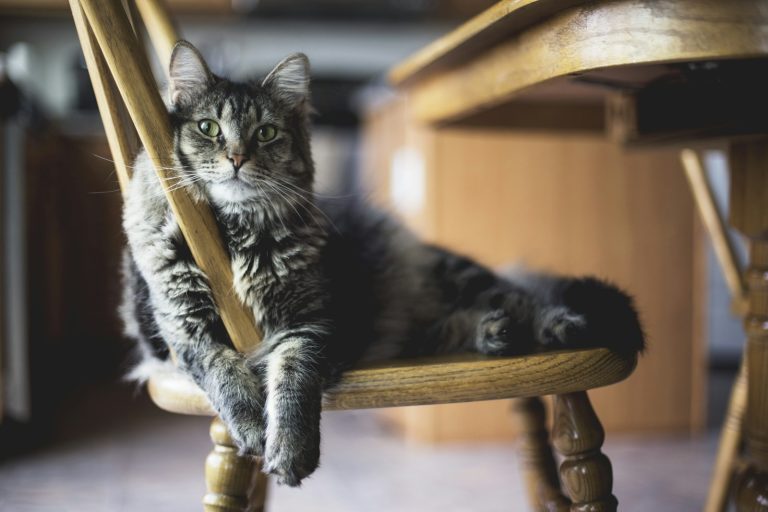
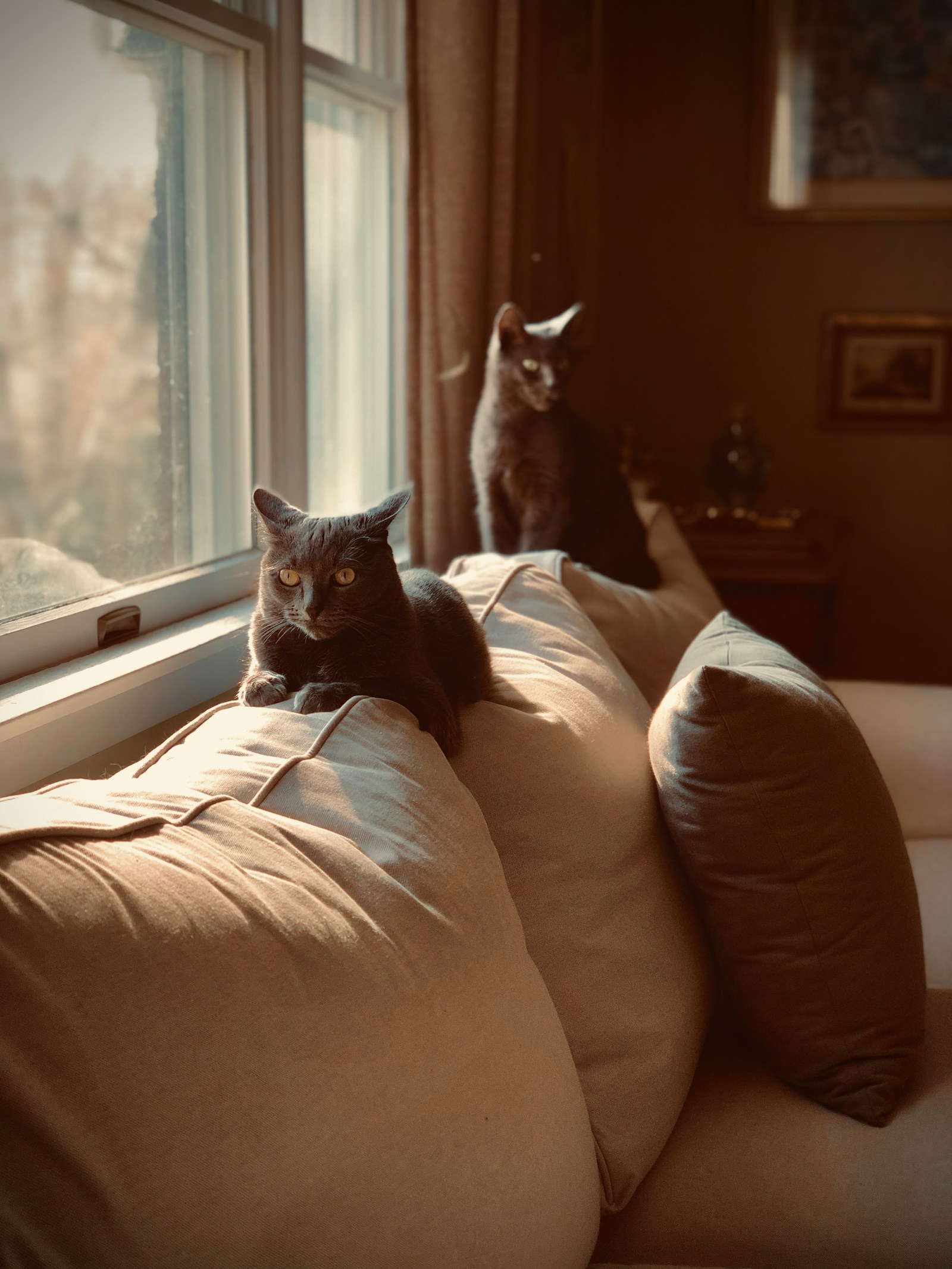
You do not need a bed in every shape. Offer one soft resting place, one sheltered option and access to a favorite chair or window if safe. Many cats will also choose a folded blanket or cardboard box, which is useful information rather than a rejection of your taste.
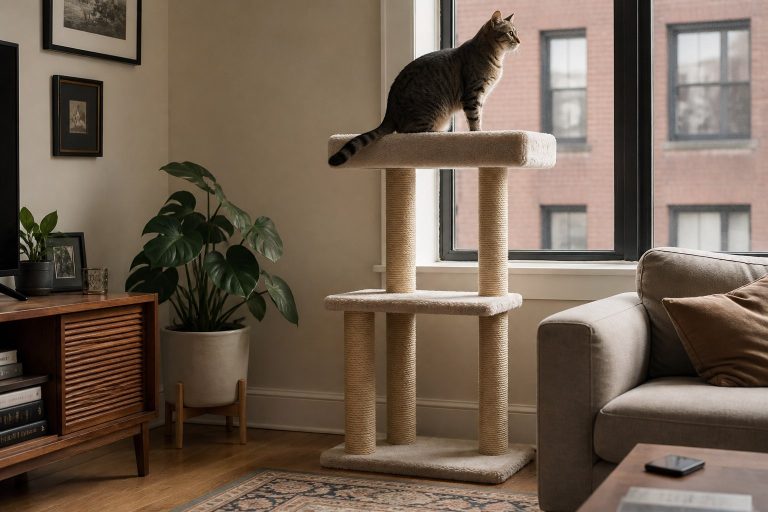
Provide a stable vertical scratcher tall enough for a full stretch and a horizontal pad. A cat tree is optional; if you want one piece to combine resting and scratching, choose it for the cat and the room, not for the feature count. For play, start with a wand toy, a few lightweight chase toys and a food puzzle. The point is the enrichment routine, not the number of objects. Put string toys away after supervised sessions.
Grooming, transport and household basics
A brush suited to your cat’s coat, nail clippers you can handle confidently and an enzyme cleaner cover many everyday needs. Introduce grooming gradually and keep sessions short and calm.
A secure, well-ventilated carrier is essential even if travel is rare. Leave it open at home with a familiar cloth inside so it can become ordinary furniture rather than a signal that something stressful is about to happen.
Buy the reliable basics first, then watch your cat. Preferences for litter texture, scratcher angle, bed warmth and toy movement become clear through daily life. The best essentials are the ones that earn their place by making care easier or the cat more comfortable.
Keep receipts while preferences are still unknown and avoid opening every product at once. Introduce items gradually so you can tell what is being used and why. A small home benefits from this pace: fewer duplicate purchases, less clutter and more budget for quality where it matters, such as a secure carrier or a scratcher that remains stable through years of daily use.