
Cat-related mess is easiest to manage before it travels. A little litter beside the box becomes litter in every room; a blanket that holds fur becomes a sofa that needs a long vacuum session.
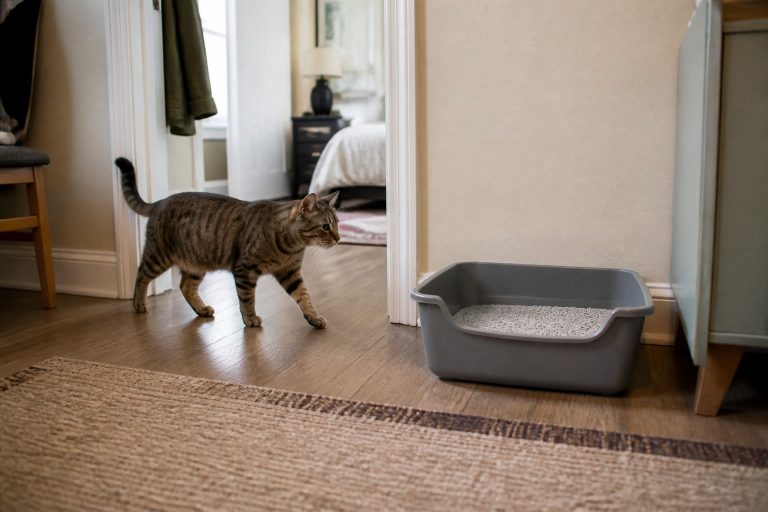
This routine spreads the work across the week. Adapt it to your home, the number of cats and the type of litter you use. The aim is a steady baseline, not a spotless performance. It works best when the litter area itself is easy to access and maintain.
The daily five-minute reset
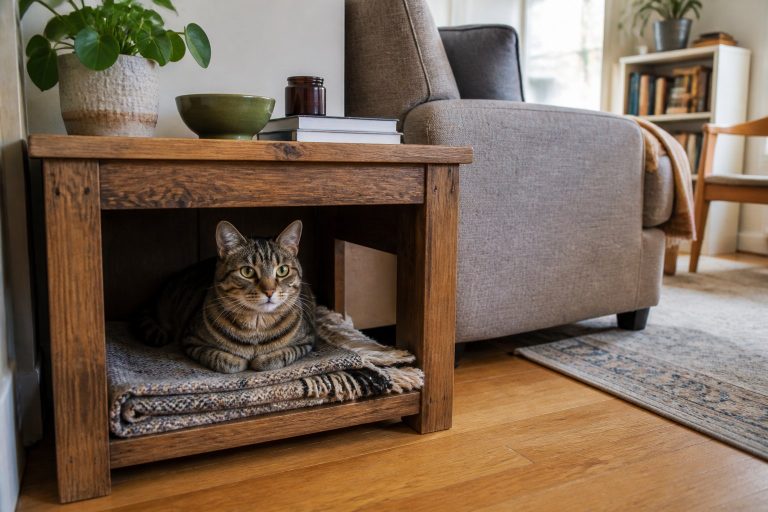
Scoop every litter box, sweep or vacuum the immediate area and wipe obvious food spills. Refresh water and rinse bowls as needed. Before bed, pick up unsafe string toys and shake loose fur from the cat blanket into a bin or outside where appropriate.
Keeping these tasks short makes them repeatable. Store the scoop, waste bags and hand brush together, and keep a washable cloth near the feeding area.
Monday and Tuesday: surfaces and floors
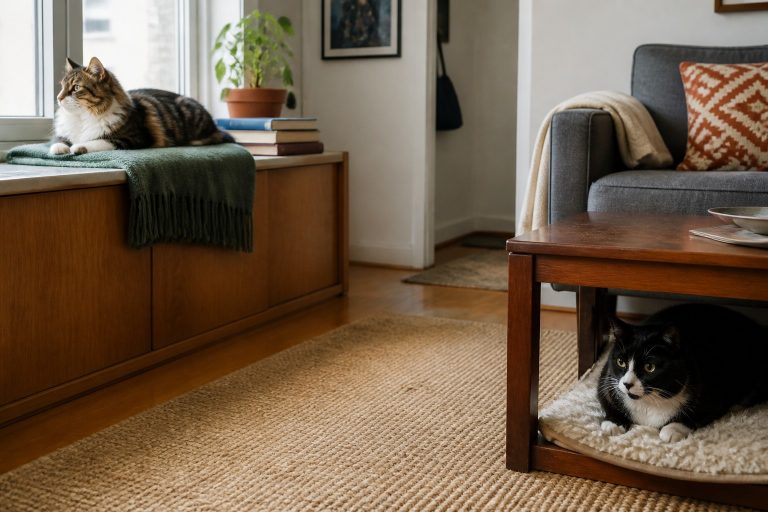
On Monday, dust the window ledges, shelves and furniture your cat uses. A slightly damp microfiber cloth captures fur better than a dry duster. Check elevated perches for loose hardware while you are there.
On Tuesday, vacuum the main paths and upholstered furniture. Work slowly around the sofa edges and under the bed where fur gathers. A rubber brush or damp glove can lift stubborn hair before vacuuming.
Wednesday and Thursday: food and litter zones
Midweek, wash the feeding mat and clean around the base of bowls, fountains or feeders. Follow product instructions when dismantling a fountain, and let parts dry as recommended.
On Thursday, top up litter after scooping and wipe the outside of the box. Replace the entire contents according to the litter type, box condition and manufacturer guidance rather than an arbitrary calendar. Wash the box with a mild, cat-safe approach and dry it well before refilling.
Friday through Sunday: fabrics, tools and reset
Wash cat blankets and removable bed covers on Friday, following their care labels. Leave one familiar resting place available so the whole environment does not suddenly smell different. On Saturday, clean grooming tools, toy baskets and carriers that saw use that week.
Use Sunday for a quick home reset: empty the vacuum, replenish waste bags and note supplies that are running low. Skip tasks that are already clean and spend the saved time playing with your cat.
A routine should reduce mental clutter as well as physical mess. When daily basics are reliable and one small zone gets attention each day, the home stays comfortable without one exhausting cleaning marathon.
Give yourself a low-energy version for difficult weeks: scoop, refresh water, wash food bowls and clear anything unsafe. The rest can wait. A resilient routine distinguishes hygiene essentials from tasks that are mainly cosmetic. When energy returns, resume with the zone causing the most friction rather than trying to catch up on every missed item at once.
When weather and household patterns shift, a seasonal reset can help decide which weekly tasks still earn their place.